
Selling · Repairs & prep
What repairs are actually worth doing before you sell?
Not every fix belongs on your list, and not every fix pays for itself. Here's a practical way to sort what matters from what doesn't, before you spend a dollar.
Sellers often start their pre-listing to-do list by walking through the house and writing down everything that bothers them. That's a reasonable starting point, but it tends to produce a long, expensive, and poorly prioritized list. A more useful approach sorts items into a few categories, each of which calls for a different decision.
Some issues affect safety or basic function and tend to surface in an inspection no matter what. Some are purely cosmetic and affect how a buyer feels walking through, without affecting whether the home works. And some are larger renovation-scale decisions that rarely make sense to take on right before a sale. Treating all three the same way wastes money on some fronts and leaves risk on the table on others.
There's no guaranteed dollar-for-dollar payoff for any specific repair — return depends on your home, your buyers and market conditions at the time, and anyone who promises a fixed return on a specific project isn't being straight with you. Lori's role is to help you weigh cost, timeline and likely buyer reaction for your specific home, not to hand you a generic checklist.
Not sure what to fix first?
Send Lori a few details about your home and she'll help you sort what's worth doing before you list.
Category one
Safety and function items
These are the things a home needs to work as a home: electrical that meets basic safety expectations, plumbing without active leaks, an HVAC system that heats and cools, a roof that doesn't actively leak, and structural elements that are sound. They tend to surface in a buyer's inspection regardless of price point or presentation, and leaving them unaddressed often costs you more in a later negotiation than fixing them would have up front.
That said, 'safety and function' doesn't mean every aging system needs full replacement before you list. An older but properly functioning HVAC system, for example, is a different conversation from one that doesn't turn on. Get a professional's read on what's actually failing versus what's simply old.
Category two
Cosmetic presentation
Paint, carpet, light fixtures, dated hardware, landscaping cleanup — these items shape a buyer's emotional first impression without affecting whether the home functions. They're generally the lowest-risk, most controllable items on a pre-listing list, and they're where staging and photography decisions intersect most directly.
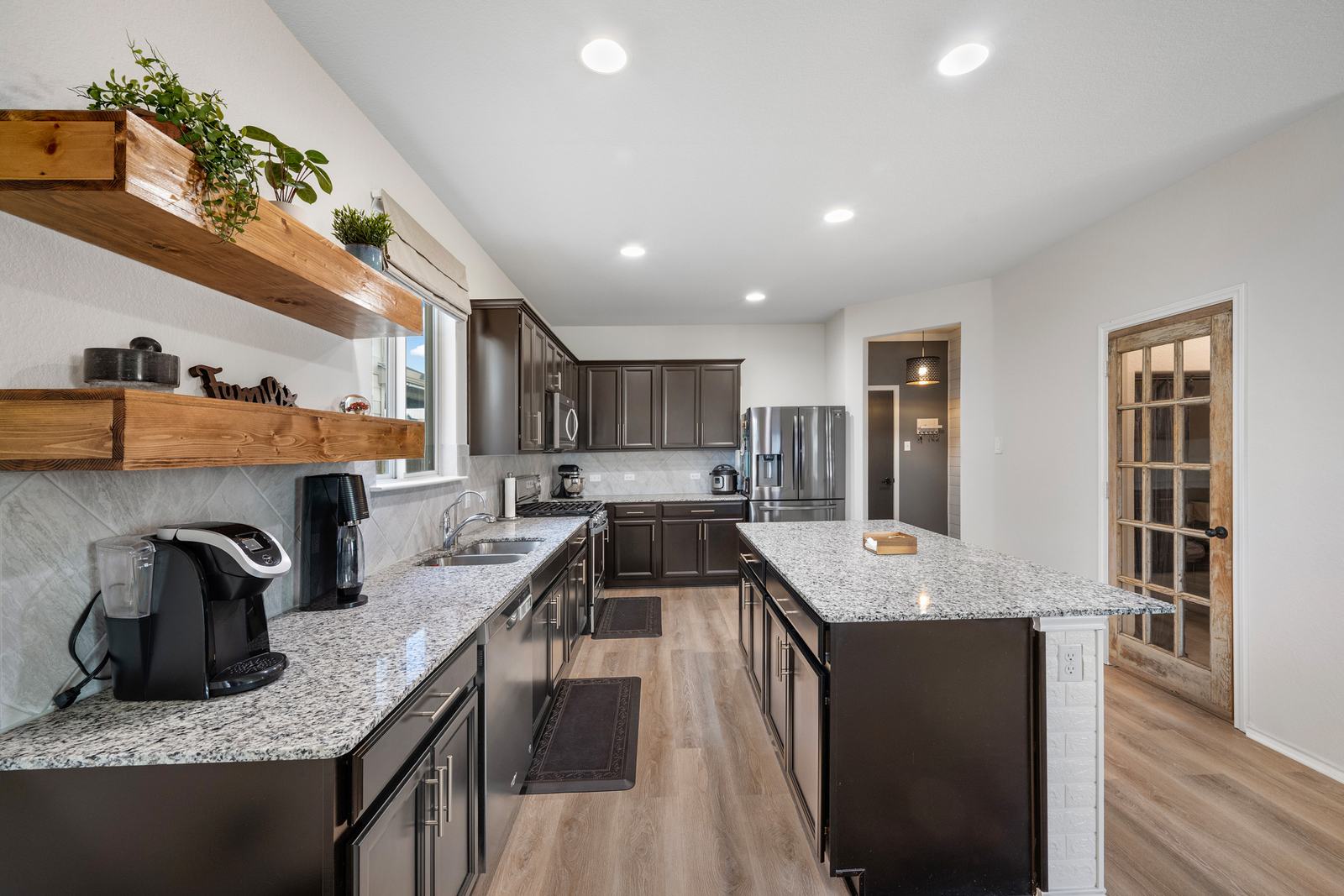
Even here, scope matters. A fresh coat of neutral paint in a scuffed hallway is a different decision than gutting and redoing a dated kitchen. Lori can help you gauge which cosmetic fixes are likely to matter to buyers currently looking at homes like yours, versus which ones simply cost money without changing the reaction.
Category three
Major renovation decisions
Full kitchen or bathroom remodels, room additions, whole-house system replacements — these are the highest-cost, highest-effort category, and they rarely make sense to start right before a sale. The lead time alone often exceeds a reasonable pre-listing window, and there's no guarantee the finished project reflects your specific taste well enough to match what a buyer in your market actually wants.
If a major renovation issue exists — an outdated kitchen, a dated primary bath — it's often more realistic to price the home to reflect that condition, or offer a credit, than to take on the project yourself. That's a conversation to have honestly and early, not one to guess your way through.
Risk
What tends to raise inspection-risk flags
- Active leaks — roof, plumbing, appliance connections — even small ones, since inspectors and buyers read them as ongoing risk rather than a one-time fix.
- Electrical deficiencies: exposed wiring, missing GFCI protection where expected, or a panel that shows signs of age or improper work.
- Moisture intrusion and its evidence: staining, musty odors, or conditions that suggest past or ongoing water problems.
- HVAC systems that don't reliably heat or cool, or show clear signs of neglect.
- Foundation or structural signs — cracking, doors and windows that don't operate correctly, uneven floors — that warrant a specialist's opinion rather than a guess.
- Any of these is worth a professional look before you decide whether to repair, disclose, or price around it — guessing tends to cost more later.
Disclosure
Texas seller's disclosure, in general terms
Texas generally requires sellers of most residential properties to complete a seller's disclosure notice covering known conditions and defects. The details of what must be disclosed, how known issues should be described, and whether any exemptions apply to your situation depend on your specific circumstances.
This is genuinely a question for a real estate attorney rather than a general guide like this one — the consequences of getting a disclosure wrong can be significant, and Lori can point you toward that conversation as part of preparing your listing.
Next step
When to bring in a contractor before deciding
- 1
Anything with unclear scope or cost
A foundation crack, an aging roof, a system that's acting up — get a licensed professional's assessment before you guess at a repair-or-disclose decision.
- 2
Anything with safety implications
Electrical, gas, structural or moisture issues deserve a specialist's opinion, not a homeowner's best guess.
- 3
Before committing to a bigger project
Get at least one, ideally more, contractor estimates before deciding a larger renovation is worth doing pre-sale — timeline and cost estimates from a guide like this are not a substitute.
- 4
Walk the list with Lori
Bring your notes and any contractor estimates to Lori, and she'll help you weigh cost, timeline and likely buyer reaction against pricing the home to reflect its current condition instead.
See what people say on Google
Reviews for Lori Cabello live on her Google Business Profile, unedited and in her clients' own words. Read them there, then call or text (512) 545-9568 if you'd like to talk through your own situation.
Good questions
Pre-listing repairs: common questions
Keep exploring
Related reading for sellers
Presentation
Preparing your home for real estate photos
Practical prep steps that make cosmetic effort actually show in photos.
See the checklistPricing
How to price your home
How condition, comparable sales and current conditions shape a sound price.
Read about pricingCosts
Home selling costs in Texas
A general look at the costs sellers typically budget for beyond repairs.
See the costsProcess
What happens after you list?
How inspection and negotiated repairs fit into the broader sale sequence.
See the stagesChecklist
Home selling checklist
A working checklist covering repairs, prep and paperwork end to end.
View the checklistValuation
What's my home worth?
Get a current, property-specific value estimate before deciding what to fix.
Get a home value estimateThis page is general education, not a repair, engineering, legal or tax recommendation for your property. No specific repair or improvement is guaranteed to return its cost or to affect your sale price or timeline. Texas seller's disclosure obligations depend on your specific situation; consult a real estate attorney. For any structural, electrical, plumbing, roofing, HVAC, septic or similar concern, consult a licensed contractor or the relevant specialist.
Not sure where to start?
Call or text Lori and walk your home together before you spend a dollar on repairs.