
Neighborhood · Liberty Hill
Santa Rita Ranch: a Liberty Hill buyer's guide
One of Liberty Hill's largest master-planned communities, built out in phases across multiple builders with an amenity package added a piece at a time. The paperwork and the phase matter as much as the floor plan.
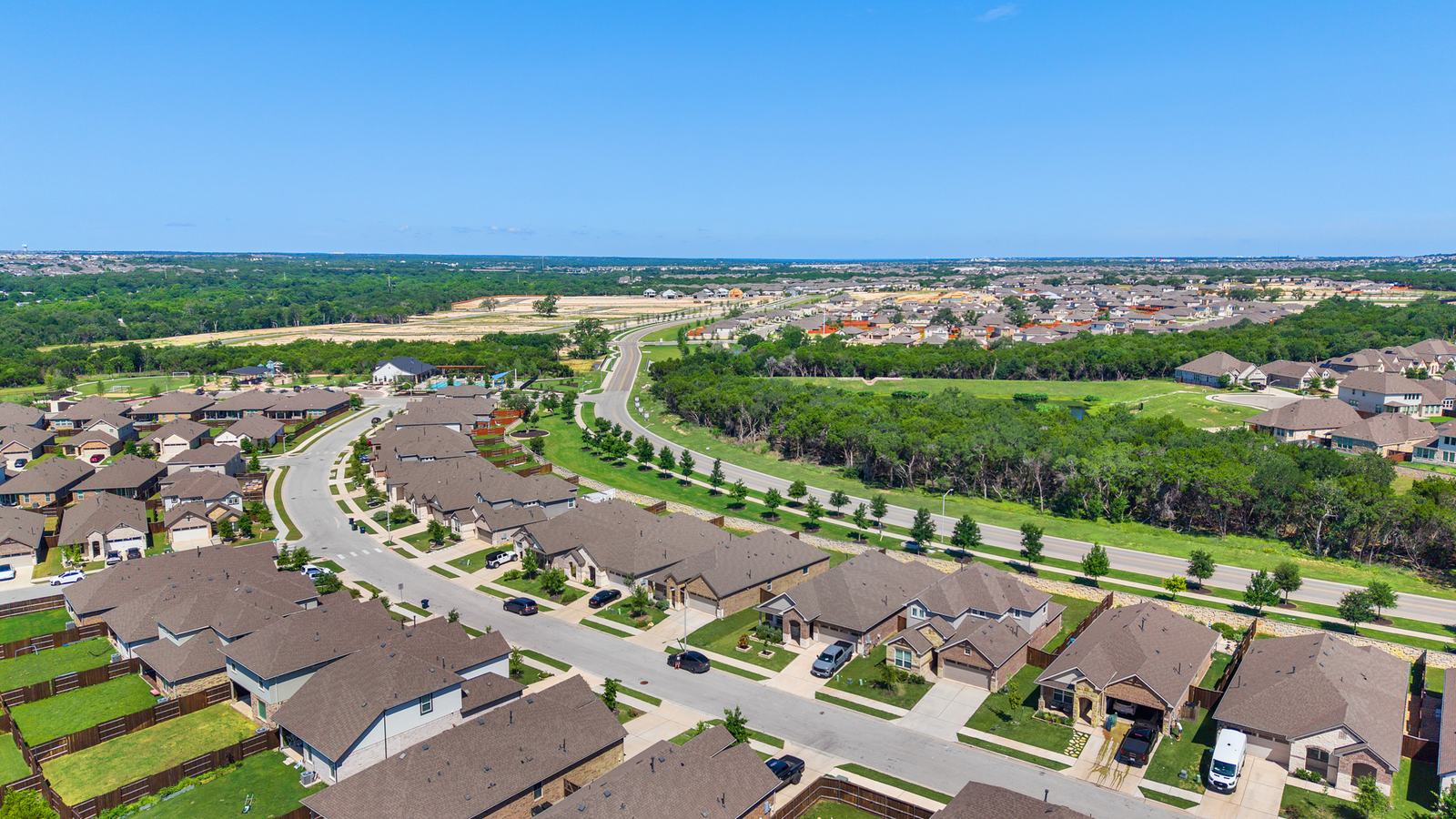
Santa Rita Ranch is scaled differently than most Liberty Hill neighborhoods — thousands of planned homes, several builders working simultaneously, and an amenity package that has grown section by section rather than opening all at once. That scale is the appeal for a lot of buyers, but it also means the standard due-diligence questions carry more weight than they would in a small subdivision.
The single most useful thing to establish early is which phase and which section a specific address sits in. Governing documents, dues structures, lot sizes and even builder standards can differ from one section to the next inside the same community name, so 'Santa Rita Ranch' alone doesn't tell you everything you need to know about a particular home.
Lori works with buyers across both the resale market here and the active new-construction sections, and can help you line up what's actually built against what's still on the master plan before you get attached to a listing.
Considering Santa Rita Ranch?
Tell Lori which phase or builder caught your eye and she'll pull the current documents and status for you.
Scale
A community built in phases, not all at once
Master plans this size are typically approved and developed over many years, with infrastructure, roads and amenities added as each phase is platted and built. That means the community you see in a leasing brochure or a builder's rendering may represent the finished vision rather than the current state.
For a resale buyer, this usually isn't disruptive — established sections function like any settled subdivision. For a new-construction buyer, it means asking pointed questions about what's actually complete versus scheduled, since construction activity, temporary road configurations and phased amenity openings can all still be part of daily life in newer sections.
- Ask which numbered phase or section the specific lot or home is in, and how long that section has been developed.
- Ask which amenities are open today, which are under construction, and which exist only on the master plan.
- If buying new construction, ask about the anticipated build-out sequence for the surrounding, still-vacant lots.
Governance
HOA, district and paperwork realities
Large master plans commonly layer more than one governing or taxing entity. None of this should be assumed — always verify with the current recorded documents for the specific address.
- Confirm whether the property is subject to a master association, a section-level association, or both, and get current copies of both sets of governing documents and the latest budget.
- Ask whether the property sits within a municipal utility district (MUD) or similar special district, what that district's current tax rate and outstanding debt look like, and how that combines with city and county taxes on the total bill — a tax professional can help you read the full picture.
- Ask about transfer fees, resale certificates, capital contributions and any assessments tied to amenity construction, and get them in writing rather than relying on a listing sheet.
- For anything unclear in the documents, our resource on MUD, PID and HOA structures is a good starting point before you call the district or association directly.
Builders
Multiple builders, multiple standards
A community this size typically has several production builders active in different sections, each with its own floor plan library, structural options, standard finish level and warranty program. That's a real advantage for buyers who want choice, but it means you can't assume consistency from one street to the next.
Before touring a model or resale home built by a particular company, ask for that builder's current warranty terms, standard specification sheet, and any known construction-defect or service history you can reasonably ask about. Our questions-to-ask-a-builder guide has a fuller checklist worth bringing along.
Lots & terrain
Lot size, orientation and what's around you
Lot sizes in a plan this large typically vary by section and by builder, from smaller garden-style lots to larger family lots elsewhere in the plan. Orientation, backyard exposure and proximity to amenity centers, retention ponds or future commercial parcels all vary block by block.
Walk the actual lot, not just the floor plan brochure, and ask what's platted for any adjacent vacant land — a quiet field today may be a future phase of homes or a planned collector road.
Resale vs. new
Choosing between resale and builder inventory
- 1
Compare like sections
Compare a resale home against new construction in a similarly-aged section rather than the newest phase, so the comparison reflects similar amenities and maturity.
- 2
Get the section's document set
Request the recorded HOA documents, most recent budget, and any special-district information for the specific section before writing an offer.
- 3
Verify the builder's current terms
For new construction, confirm current-year pricing, standard inclusions and warranty terms directly with the builder's sales office — brochures can lag actual offerings.
- 4
Walk the amenity map against reality
Physically visit the amenities you care about rather than relying on a site map, and ask about access rules or fees that may apply to your section.
Fit
Who tends to be comfortable here
Santa Rita Ranch tends to suit buyers who want an extensive, structured amenity package, a broad choice of builders and floor plans in one place, and are comfortable with an association-governed community and its associated paperwork. Buyers who prefer minimal association involvement or a more compact, established footprint may be better matched to a smaller Liberty Hill subdivision.
None of this is a claim about who a neighborhood is 'for' in any protected-class sense — it's about how much amenity structure, association governance and construction activity a household wants to live around day to day.
Good questions
Santa Rita Ranch: common questions
Keep exploring
More on Liberty Hill and Santa Rita Ranch
Community
Liberty Hill community overview
How Santa Rita Ranch fits into the wider Liberty Hill housing picture.
Explore Liberty HillRelocation
Moving to Liberty Hill
What to sort out before relocating to Liberty Hill from out of town.
Read the relocation guideNew construction
New construction in Liberty Hill
Builder rows, spec homes and what to ask before you sign a contract.
See what to askSellers
Selling a home in Liberty Hill
Positioning a home for buyers comparing resale against new sections.
Selling hereResource
MUD, PID & HOA special districts explained
A plain-language look at the district and association layers common in new communities.
Understand the paperworkSibling neighborhood
Lariat
Wide lots and open Hill Country acreage on the newer edge of Liberty Hill.
Compare LariatInformation about Santa Rita Ranch is general, subject to change and provided for education only. HOA and special-district documents, dues, assessments, amenity status, builder terms and phase details must be verified for the specific property and section with the association, district, builder and county. Nothing here is legal, tax, lending, insurance, engineering or appraisal advice, and nothing here is a statement about school quality, safety, demographics or future property values.
Ready to look closer at Santa Rita Ranch?
Call or text Lori with the section or builder you're considering and she'll pull the current documents and comps.