
New Construction · Liberty Hill
New Construction Homes in Liberty Hill
Liberty Hill mixes newer platted subdivisions with larger-lot and custom building, which means the right due-diligence questions depend heavily on which path you're on.
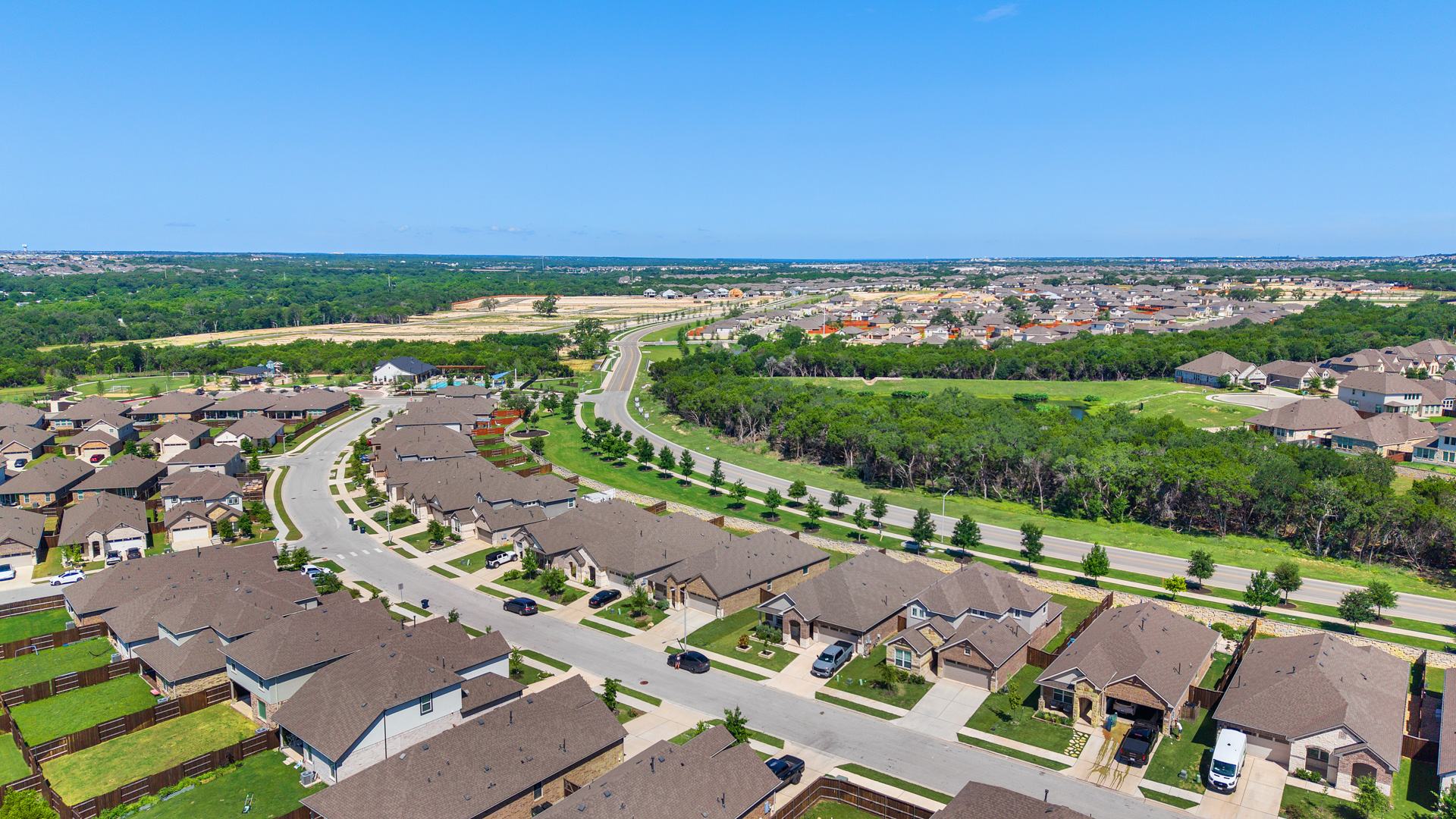
Liberty Hill sits at a point where newer subdivision development and larger-lot, more rural building both remain active, sometimes within the same few miles. That variety is part of the appeal, but it means new construction here doesn't fit one single playbook — the questions that matter for a platted subdivision lot are different from the ones that matter on five acres served by a well.
Infrastructure is usually the crux of it. Water provider, wastewater treatment, road maintenance responsibility and utility connection timing can all differ from one part of the area to another, and none of it should be assumed from a neighboring property or a general area reputation.
Whether you're buying in a subdivision or building on your own lot, the through-line is the same: get the specifics in writing for your address, and don't let a sales conversation substitute for county records and utility provider confirmation.
Considering new construction in Liberty Hill?
Tell Lori whether you're looking at a subdivision or a larger lot and she'll tailor the questions to ask.
Two paths
Subdivisions vs. larger-lot and custom building
Newer subdivisions in Liberty Hill generally offer a more predictable process — platted lots, established or planned infrastructure, and a builder operating within the community's existing framework. Larger-lot and acreage building offers more site control and privacy but puts more of the feasibility and utility groundwork on the buyer.
Neither path is inherently better; they suit different priorities. A buyer who wants land and design flexibility will approach this market differently than one who wants a straightforward subdivision purchase with a defined amenity package.
Infrastructure
Questions to answer before committing to a lot
- Who provides water to this specific address — a city system, a district, or a private well — and what does that provider's documentation say?
- Is wastewater handled by a public or district sewer system, or will the property need a septic system, and has that been permitted through the county?
- Who is responsible for road maintenance on the street serving this lot — the county, a district, or a private agreement among owners?
- What is the documented timeline for utility connections if the area is still developing, and who confirms that timeline in writing?
- Is the property served by a municipal utility district (MUD) or similar entity, and what are its current fees?
- What internet and cell service actually exists at the address, confirmed with the provider rather than a coverage map?
Build-on-your-lot
How build-on-your-lot programs work
You control the land
The builder provides the plan
Feasibility is on you
Financing looks different
Permitting is county-driven
Timelines vary widely
Looking ahead
Verifying future phases and adjacent land
- 1
Check county records for adjacent parcels
Zoning designations and any filed plats can indicate what's planned for land near a lot you're considering.
- 2
Ask the builder or seller about future phases
In a subdivision, ask directly what later sections are planned to include, and how close construction activity may come to your lot.
- 3
Confirm septic and well permitting with the county
Get documentation of any existing permits or, for new systems, the county's current requirements and process.
- 4
Get utility provider confirmation in writing
A written statement of service availability and timing protects you more than a verbal assurance from a sales representative.
- 5
Have the lot or home inspected
Even new construction benefits from an independent inspection, and any septic or well systems warrant their own specialist review.
Good questions
Liberty Hill new construction: common questions
Keep exploring
Related Liberty Hill resources
Community
Liberty Hill community overview
Housing types and the character of this growing area.
Explore Liberty HillRelocation
Moving to Liberty Hill
What to know before relocating to Liberty Hill.
Read the relocation guideSellers
Selling a home in Liberty Hill
What sellers should prepare and disclose in this market.
Selling hereNew construction
Do I need a realtor for new construction?
Why buyer representation matters even at a builder's sales office.
Learn whyNew construction
New construction walkthrough checklist
What to check at pre-close and final walkthroughs.
See the checklistNew construction
New construction overview
The full picture of buying new across Central Texas.
See all new constructionInformation about new construction in Liberty Hill is general and subject to change. Utility availability, well and septic permitting, road maintenance responsibility, district fees and future development plans vary by property and must be verified with the applicable builder, utility provider and county office. Nothing here is engineering, legal, tax, lending or insurance advice.
Weighing a subdivision lot against acreage in Liberty Hill?
Call or text Lori at (512) 545-9568 and she'll help you sort through the infrastructure questions before you commit to a lot.