
Relocation · Cedar Park
Moving to Cedar Park, Texas
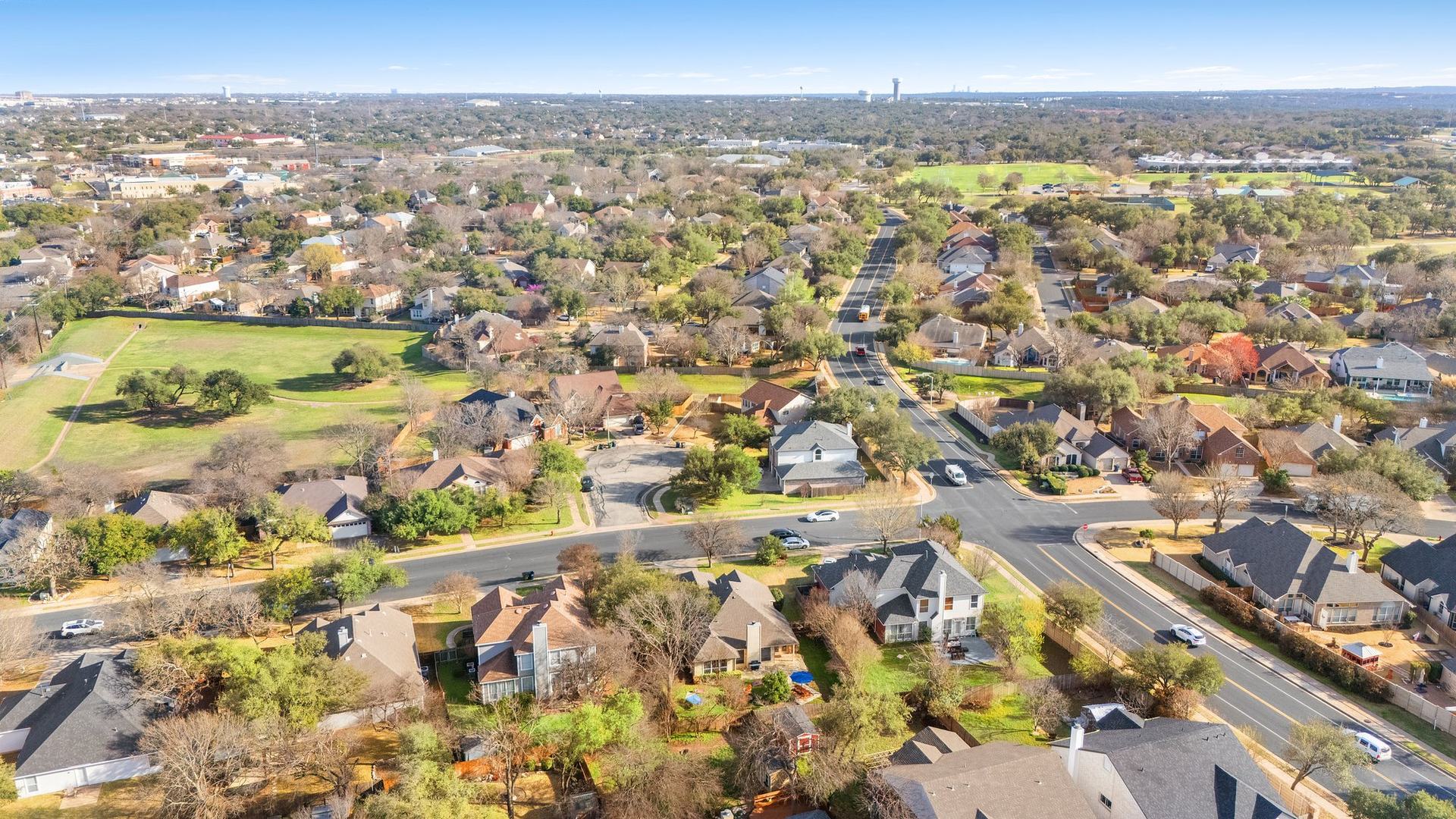
Cedar Park is one of the more established suburbs in the North Austin corridor, with mature trees, larger lots in older sections, and newer infill filling the gaps. Here's what to check before you buy.
Cedar Park has had more time to grow than some of its neighbors along the corridor, and it shows. Established neighborhoods with mature trees and larger lots sit alongside newer infill development, so the city reads less like one uniform subdivision and more like a set of layers built up over roughly four decades.
That layering is Cedar Park's biggest practical advantage for buyers: you can choose a build era, not just a price point. But it also means due diligence looks different from a newer master-planned community. Instead of asking about phasing and platted future sections, you're asking about roof and HVAC age, plumbing material, and how a specific street has held up over time.
Access and parks matter too. Cedar Park's road network, including 183A and 183, has been built out over the same long stretch of time, so travel patterns and connectivity vary by neighborhood in ways worth understanding before you commit to a specific area.
Thinking about Cedar Park?
Tell Lori what era of home and neighborhood you're picturing and she'll help you find the right pocket.
Orientation
How Cedar Park is laid out
Older, established sections of Cedar Park tend to have larger lots, mature tree canopy and a settled feel, reflecting decades of landscaping growth. Newer infill and edge development fills in remaining land with more current building standards and, often, smaller lots.
Because the city has grown in layers rather than in a single master plan, it's worth walking or driving a specific street rather than assuming a neighborhood name tells you the build era. Two streets a mile apart can differ by twenty or more years in construction date.
1980s–1990s sections
2000s development
Newer infill
183A/183 corridor access
Parks and trails
Remodeled resale
Due diligence
What to inspect by build era
The right inspection focus in Cedar Park depends heavily on when a specific home was built.
- Plumbing material: some build eras used cast iron or polybutylene piping, both of which can have age-related issues. Ask your inspector to identify the plumbing material specifically and recommend further evaluation if warranted.
- Roof and HVAC age: request service records and, where unavailable, budget conservatively based on your inspector's estimate of remaining life.
- Foundation history: ask for any prior foundation repair records and disclosures, and involve a structural engineer for anything beyond routine settling.
- Electrical panels and wiring: older homes may have outdated panels or wiring types that some insurers flag; confirm with your inspector and get an insurance quote before closing.
- Windows and insulation: original windows in older homes can mean higher energy costs; factor likely upgrade costs into your offer if that matters to you.
- Permit history: check with the city on permits for any additions, pools or major renovations to confirm they were done to code.
- Tree health and drainage: mature trees are a draw but also a maintenance item — check for root intrusion near foundations and pipes, and confirm drainage patterns.
- HOA status: not every Cedar Park section has an HOA, and where one exists, terms vary; get current documents for the specific address.
Decisions
Remodel versus move
An older Cedar Park home with good bones in a location you value can be a strong remodel candidate, especially if the major systems are sound and the work needed is cosmetic. The math changes quickly, though, if you're facing foundation repair, full re-plumbing and a new roof all at once.
Before deciding, get actual contractor estimates for the specific work involved rather than relying on general renovation cost figures, which vary too much by scope and market conditions to be useful as a planning number. Comparing that real estimate to the price difference for a newer or already-updated home will tell you more than instinct will.
Get inspector findings first
Price the actual scope
Factor in disruption
Consider resale fit
Check permit requirements
Revisit financing
Planning
Steps for a Cedar Park move
- 1
Decide on build era priorities
Clarify whether an established, mature neighborhood or newer infill construction matters more to your household before touring.
- 2
Get pre-approved with your situation in mind
Mention to your lender if you're considering an older home that may need updates, since that can affect loan type and appraisal.
- 3
Tour across build eras
See homes from a few different decades side by side to calibrate what condition and finishes look like at each age.
- 4
Use the option period for targeted inspections
Order a general inspection plus any specialist evaluations your inspector recommends based on the home's age.
- 5
Price out any known repairs
Get contractor estimates for anything the inspection surfaces before you finalize your decision to move forward.
- 6
Confirm access and services
Verify drive times on your actual schedule and confirm utility providers for the specific address before closing.
See what people say on Google
Reviews for Lori Cabello live on her Google Business Profile, unedited and in her clients' own words. Read them there, then call or text (512) 545-9568 if you'd like to talk through your own situation.
Good questions
Moving to Cedar Park: common questions
Keep exploring
Cedar Park, in more detail
Community
Cedar Park community overview
Layout, housing eras and neighborhood character across Cedar Park.
Explore Cedar ParkSellers
Selling a home in Cedar Park
Positioning an established home for today's buyers.
Selling hereRelocation
Moving to Round Rock
How Round Rock compares in size, era range and price bands.
Compare Round RockRelocation
Moving to Leander
How Leander's newer growth pattern compares to Cedar Park's.
Compare LeanderBuyers
Buying a home
General guidance on the home buying process and next steps.
Start hereRelocation
Relocating to North Austin
The broader North Austin relocation hub and starting point.
Start hereInformation about Cedar Park is general, subject to change and provided for education only. Home condition, systems, permit history, plumbing materials, foundation status, insurance eligibility and remodel costs must be verified for each specific property by a licensed inspector, contractor, engineer or other qualified professional. Nothing here is legal, tax, lending, insurance, engineering or appraisal advice, and nothing here is a statement about school quality, safety, demographics, or future property values or appreciation.
Weighing an older Cedar Park home?
Call or text Lori at (512) 545-9568 and she'll help you think through condition, era and the remodel-vs-move math.