
Relocation · Round Rock
Moving to Round Rock, Texas
Round Rock is one of the larger, more established cities in the corridor, with roughly four decades of housing stock across distinct sides of town. Here's how to navigate it.
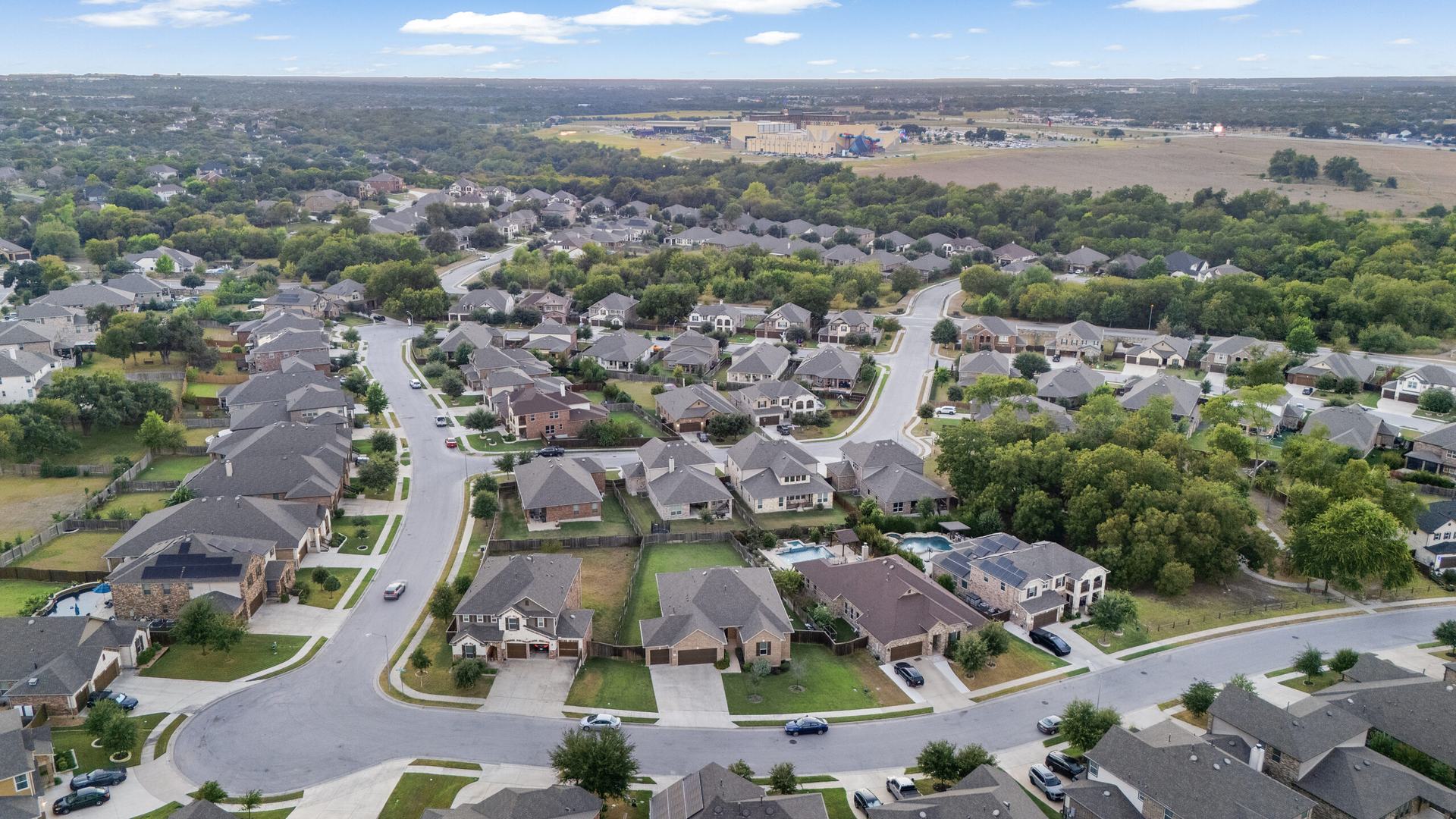
Round Rock is one of the larger, more established cities along the North Austin corridor, and its size shows in its housing stock: homes here span roughly four decades of construction, from established neighborhoods built well before the corridor's recent growth surge to newer development still filling in the edges. That range is Round Rock's defining feature for buyers.
Because the city is large and has grown over such a long period, it makes more sense to think in terms of specific sides of town and specific eras than the city as a whole. The older core and areas near I-35 read differently from newer development further out, and I-35 itself shapes how residents move around the city day to day.
Round Rock also sits near some notable employers in the corridor, which has shaped demand in various pockets over time. None of that changes the fundamentals of due diligence — it just means Round Rock rewards buyers who narrow in on a specific area and build era rather than shopping the city broadly.
Thinking about Round Rock?
Tell Lori what you're looking for and she'll help you find the part of Round Rock that fits.
Orientation
How Round Rock is laid out
Round Rock's older core and the areas nearest I-35 generally reflect earlier development, while the city's outer edges have continued to add newer subdivisions more recently. That said, infill and redevelopment mean you'll find pockets of newer construction closer in and, in some cases, older parcels further out — so verify build era for the specific address rather than assuming based on general location.
I-35 functions as a significant dividing line for access and commute patterns, though it doesn't cleanly separate old from new. Understanding which side of the highway a neighborhood sits on, and how that affects your actual daily routes, is worth doing before you commit to an area.
Older core neighborhoods
I-35-adjacent areas
Mid-era subdivisions
Newer edge development
Employer-adjacent areas
Mixed redevelopment pockets
Due diligence
What to check by build era
Round Rock's wide range of construction dates means the right inspection focus depends heavily on when a specific home was built.
- Older homes: check roof and HVAC age, plumbing material (including any cast iron or polybutylene from certain eras), foundation repair history and electrical panel type.
- Mid-era homes: verify maintenance history on major systems, since many are now old enough to need replacement even if the home looks well-kept.
- Newer construction: confirm what's still under builder warranty, review grading and drainage, and verify which amenities are actually complete.
- Permit history: check with the city for permits on any additions, pools or major renovations regardless of the home's age.
- HOA status: coverage and terms vary widely by neighborhood and era; get current governing documents and dues for the specific address.
- Insurance: get quotes early, since roof age, foundation history and electrical systems can all affect cost and availability.
- Utility providers: confirm which entity provides water, wastewater and electric service for the specific address.
- Resale comparisons: compare recent, verified sales within the same neighborhood and similar build era rather than across the whole city.
Comparison
Round Rock versus Cedar Park and Leander
Round Rock, Cedar Park and Leander sit along the same general corridor but differ in scale and building history. Round Rock is generally larger and spans the widest range of building eras of the three, which typically means the widest range of price points and neighborhood styles within one city.
Cedar Park sits in between, with a substantial base of established neighborhoods and less large-scale new construction than Leander, which has grown more recently and more heavily through master-planned phases. None of these patterns should be read as a ranking — they're different tradeoffs, and the right fit depends on what you're prioritizing: an established neighborhood, active new-home options, or the broadest possible resale variety.
Scale
Building era range
New construction activity
Access patterns
Price bands
Neighborhood feel
Planning
Steps for a Round Rock move
- 1
Narrow to a side of town
Decide whether proximity to I-35, a specific employer, or an older versus newer feel matters most before touring broadly.
- 2
Get pre-approved and share your target era
Tell your lender if you're leaning toward an older home that may need updates, since that can affect loan type and appraisal.
- 3
Tour across a few different sides of town
Comparing an older core neighborhood to a newer edge subdivision side by side helps you calibrate what fits.
- 4
Use the option period for era-appropriate inspections
Order a general inspection plus any specialist evaluations your inspector recommends for the home's specific age.
- 5
Verify commute and access
Drive your actual commute at relevant times, factoring in I-35 access from the specific neighborhood.
- 6
Confirm utilities and HOA before closing
Get current utility provider and, where applicable, HOA documents for the specific address ahead of your closing date.
See what people say on Google
Reviews for Lori Cabello live on her Google Business Profile, unedited and in her clients' own words. Read them there, then call or text (512) 545-9568 if you'd like to talk through your own situation.
Good questions
Moving to Round Rock: common questions
Keep exploring
Round Rock, in more detail
Community
Round Rock community overview
Layout, housing eras and neighborhood character across Round Rock.
Explore Round RockRelocation
Moving to Cedar Park
How the more established suburb next door compares.
Compare Cedar ParkSellers
Selling a home in Cedar Park
Positioning an established home for today's buyers.
Selling hereBuyers
Buying a home
General guidance on the home buying process and next steps.
Start hereRelocation
North Austin relocation timeline
A working sequence from first conversation to move-in day.
See the timelineRelocation
Relocating to North Austin
The broader North Austin relocation hub and starting point.
Start hereInformation about Round Rock is general, subject to change and provided for education only. Home condition, build era, permit history, HOA terms, insurance eligibility, employer details and price levels must be verified for each specific property or situation with the responsible professional, agency or employer. Nothing here is legal, tax, lending, insurance, engineering or appraisal advice, and nothing here is a statement about school quality, safety, demographics, or future property values or appreciation.
Trying to find the right side of Round Rock?
Call or text Lori at (512) 545-9568 and she'll help you narrow in on the right area and build era.