
New Construction · Lago Vista
New Construction Homes in Lago Vista
Building here usually means one lot, one builder and a real feasibility question — not a plan book in a sales office. Here's what that actually involves.
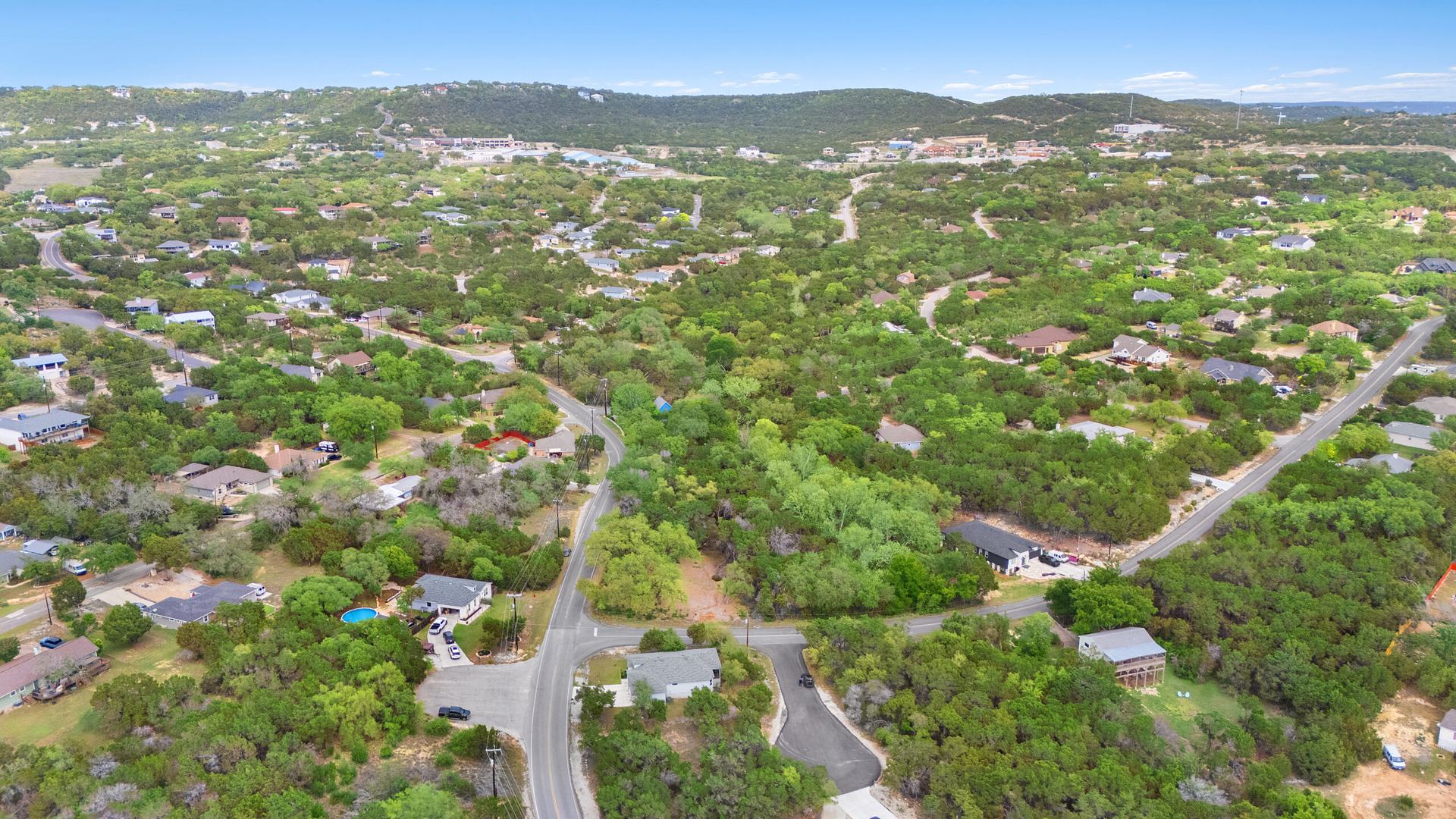
Lago Vista's terrain shapes how new homes get built here more than almost anything else. Steep and irregular lots, scattered rather than phased development, and a mix of small local builders mean that new construction in this community looks and behaves differently from a production-builder subdivision closer to the interstate.
That's not a downside — it's just a different process, and it rewards buyers who do the lot-level homework before they fall for a floor plan. Slope, drainage, tree cover, water and wastewater all vary parcel to parcel, and each one can meaningfully change your budget and timeline.
The builder relationship also looks different. You're more likely to be working with a smaller, local operation than a national brand, which has real advantages — but it also means the vetting responsibility shifts more heavily onto you.
Considering building in Lago Vista?
Tell Lori about the lot or area you're considering and she'll help you frame the right questions before you commit.
How it's built here
Scattered-lot building, not phased subdivisions
Rather than a single developer releasing dozens of homes in coordinated phases, Lago Vista's new construction is more often one buyer, one lot and one builder at a time. Spec homes do appear on the market, but even those are typically built individually on a specific parcel rather than as part of a repeating plan series.
That means less predictability in pricing and design consistency block to block, but more flexibility if you want a home shaped around a specific lot's topography and view rather than a standard footprint.
The lot
What determines whether a lot is actually buildable
Before you commit to a lot, have these evaluated by the appropriate professional.
Slope and grading
Drainage
Septic suitability
Well vs. public water
Tree cover and setbacks
Driveway access
The builder
Vetting a smaller, local builder
- Ask to walk through homes they've already completed, ideally ones a few years old, not just a current model.
- Request references and actually call them — ask about communication, change orders, and whether the final home matched the contract.
- Review the contract and warranty terms closely, including what's covered, for how long, and how disputes are handled.
- Ask how change orders are priced and documented, since this is where budgets most often drift on custom builds.
- Confirm the builder is properly licensed and insured for the scope of work, and ask about their typical subcontractor relationships.
- Ask about their current backlog and realistic start date for your specific lot — not a general company average.
Financing, contracts and timing
What to line up before you break ground
- 1
Talk to a lender about construction financing
Construction loans, lot loans and construction-to-permanent products work differently from a standard mortgage; a lender can walk you through what fits your plan.
- 2
Get the lot feasibility reviewed
Bring in a surveyor, engineer or septic professional before finalizing the design, not after.
- 3
Have the builder contract reviewed
Understand price escalation clauses, allowances, timeline commitments and what happens if either party wants to make changes.
- 4
Ask about view protection
Review what's platted on adjacent and downhill lots and ask whether any easements or deed restrictions apply to your view corridor.
- 5
Set realistic timeline expectations
Permitting, utility connections, weather and material lead times all affect the schedule — ask your builder for their current, honest estimate.
Good questions
Building in Lago Vista: common questions
Keep exploring
Related Lago Vista resources
Community
Lago Vista community overview
Lifestyle, housing types and the north-shore setting.
Explore Lago VistaRelocation
Moving to Lago Vista
What to know before relocating to the north shore of Lake Travis.
Read the relocation guideBuyer guide
Lago Vista & Lake Travis buying guide
Access tiers, view premiums and lake-specific due diligence.
Read the buying guideNew construction
Do I need a realtor for new construction?
Why representation matters even when the builder has their own sales office.
Learn whyNew construction
New construction walkthrough checklist
What to check at your pre-close and final walkthroughs.
See the checklistNew construction
New construction overview
The full picture of buying new across Central Texas.
See all new constructionInformation about building in Lago Vista is general and subject to change. Lot feasibility, utility availability, septic suitability, view outcomes, financing terms and construction timelines must be verified for the specific lot and builder with the appropriate licensed professional. Nothing here is engineering, legal, tax, lending or insurance advice.
Thinking about building in Lago Vista?
Call or text Lori at (512) 545-9568 and she'll help you think through the lot, the builder and the timeline before you commit.