
Relocation · Lago Vista
Moving to Lago Vista, Texas
Lake Travis's north shore is a genuinely different way to live in the Austin area — more hills, more water, and fewer everyday conveniences close at hand. Here's what to sort out before you commit.
Most people who move to Lago Vista are trading convenience for setting. The drive to the wider metro is longer, the grocery run is a planned trip, and the roads in and out are fewer. What you get instead is elevation, tree cover, water in the middle distance and a neighborhood pace that feels nothing like a master-planned subdivision twenty minutes east.
That trade is a great one for some households and a source of steady frustration for others. The difference usually comes down to how often someone in the family has to be somewhere at a fixed time — school pickup, a shift, a clinic, a standing meeting downtown. Lori's job at this stage is to help you test that honestly before you sign anything.
The second half of a Lago Vista move is technical. Utilities, access rights, association membership and the lot itself vary from address to address here far more than they do in a newer subdivision, so the due diligence list is longer and the option period matters more.
Thinking about Lago Vista?
Tell Lori what your week looks like and she'll give you an honest read on whether the north shore fits it.
Orientation
How the area is laid out
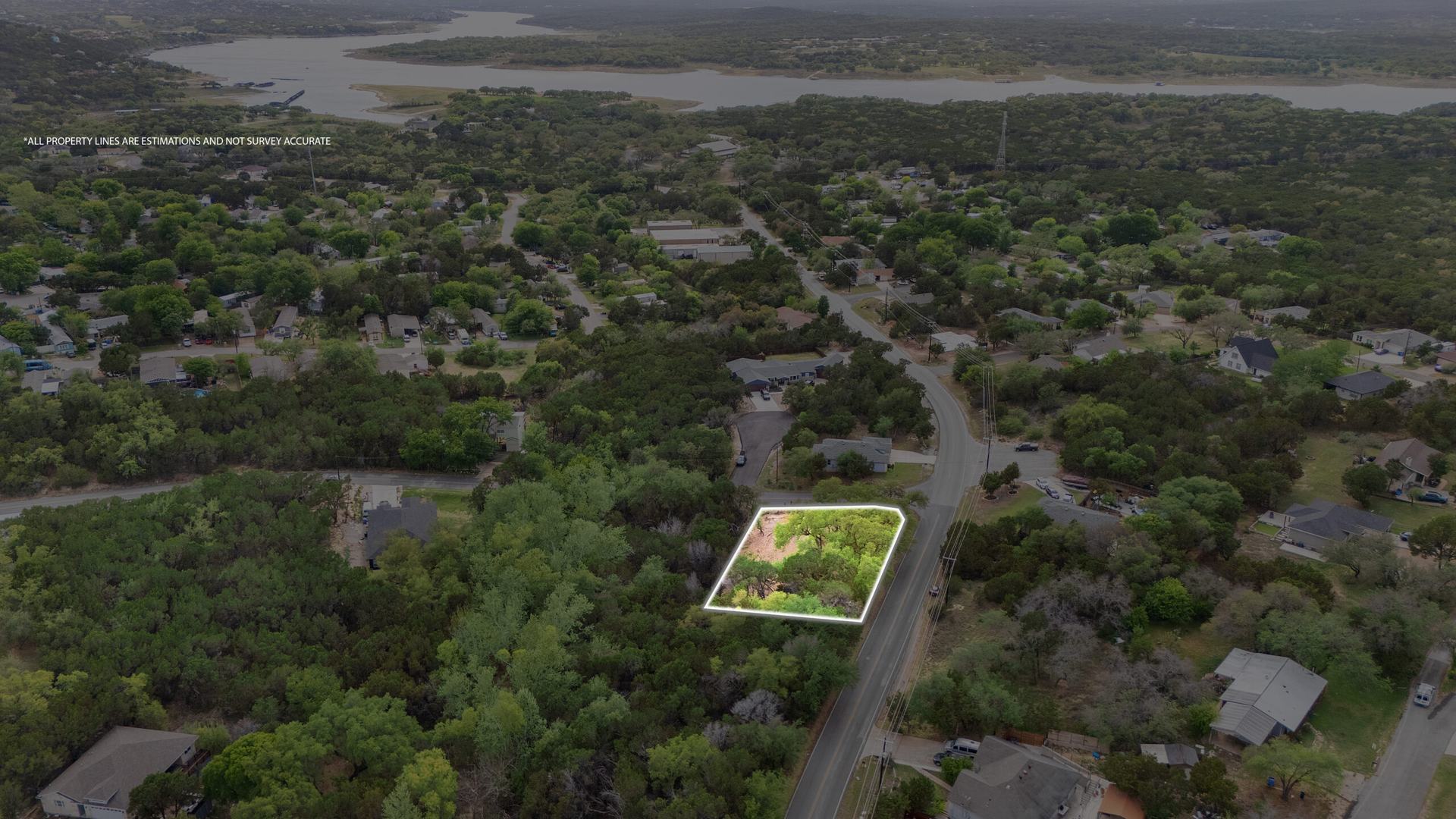
Lago Vista occupies a stretch of the lake's north side, with streets that follow the terrain rather than a grid. Elevation changes constantly, which is why two homes a block apart can have completely different views, driveways and drainage situations.
Practically, that means you should think in terms of specific pockets and specific streets rather than the city as a whole. A pocket near a main road behaves differently from one at the end of a long series of turns, and the difference shows up every single day.
Waterfront
Water view
Interior lots
Vacant land
Weekend-use homes
Full-time residences
Due diligence
Questions to answer before you write an offer
These are the items that most often change a buyer's mind — or their budget — after the fact. All of them are answerable during the option period if you start early.
- Utilities: is the home on public water, a well, or a shared system? Public sewer or septic? Electric, propane, or both? Who maintains what, and what does the maintenance schedule look like?
- Association: which property owners association applies to this address, what does membership include, what are the current dues and assessments, and what do the governing documents restrict?
- Lake access: exactly what access does this property convey, and is it deeded, membership-based or simply nearby? Get it in writing rather than relying on a listing description.
- Docks and shoreline: for waterfront, who permits the dock, what is its current permit status, and what condition are the structure and shoreline in?
- Lot and drainage: where does water go in a heavy rain, how is the driveway graded, and are retaining walls sound? Consider having a structural engineer look at anything questionable.
- Insurance: get quotes early. Roof age, wildfire exposure, water proximity and foundation type can all affect what coverage costs before you're committed.
- Internet and cell service: verify actual service at the address with the provider rather than a coverage map, especially if you work from home.
- Taxes and special districts: confirm the current tax rate and whether the property sits in any special district, then talk to a tax professional about the total picture.
Housing stock
What you can expect from the homes themselves
Lago Vista's inventory spans several decades of construction on irregular lots, so condition varies more than it does in a uniform subdivision. Older homes may have had lighter use if they served as weekend places; newer custom homes are often built by smaller local builders one lot at a time.
None of that is a problem — it just means inspections carry more weight. A general inspection plus targeted specialists on the systems that matter for the specific property will usually tell you more than another round of listing photos.
Foundations
Roofs and hail
Decks and outdoor structures
Septic systems
Wells
Garages and storage
Logistics
Planning the move itself
- 1
Start with the honest schedule conversation
Map your family's fixed obligations for a normal week. If a daily fixed-time drive is part of it, drive that route yourself at that time before deciding.
- 2
Get financing lined up early
Talk to a lender before touring, and mention up front if you're considering acreage, a well or septic, or new construction — those can affect loan type and documentation.
- 3
Tour in person if you possibly can
Photos flatten hills. If you can only visit once, spend that visit on lots and streets rather than trying to see the maximum number of houses.
- 4
Use the option period deliberately
Line up your general inspection plus any specialists — septic, well, structural, roof — in the first days, not the last.
- 5
Sort utilities and services before closing
Water, wastewater, electric, propane, trash, internet and mail delivery can each work differently here than in a city subdivision. Confirm accounts and start dates ahead of your move-in.
- 6
Plan for the drive on move-in day
Narrow roads, steep driveways and tight turns are common. Tell your movers what the access looks like so a truck isn't a surprise problem.
See what people say on Google
Reviews for Lori Cabello live on her Google Business Profile, unedited and in her clients' own words. Read them there, then call or text (512) 545-9568 if you'd like to talk through your own situation.
Good questions
Moving to Lago Vista: common questions
Keep exploring
Lago Vista, in more detail
Community
Lago Vista community overview
Housing types, lifestyle, and who tends to buy on the north shore of Lake Travis.
Explore Lago VistaBuyer guide
Lago Vista & Lake Travis home buying guide
Access tiers, view premiums and the lake-specific due diligence buyers shouldn't skip.
Read the buying guideNew construction
New construction in Lago Vista
Scattered-lot custom and spec building, where topography and utilities drive the budget.
See what to askSellers
Selling a home in Lago Vista
Marketing a lake-area home to out-of-town buyers, and the documentation to have ready.
Selling hereRelocation
Remote home-buying guide
How to evaluate a Central Texas home confidently without standing in the room.
Buying from afarRelocation
North Austin relocation timeline
A working sequence from first conversation to move-in day.
See the timelineInformation about Lago Vista is general, subject to change and provided for education only. Utilities, lake access, association membership, dues, docks, permits, tax rates, special districts and buildability must be verified for each specific property with the responsible authority. Nothing here is legal, tax, lending, insurance, engineering or appraisal advice, and nothing here is a statement about school quality, safety, demographics, or future property values or appreciation.
Want an honest read on Lago Vista?
Call or text Lori, describe your week, and she'll tell you where the north shore works for you — and where it doesn't.